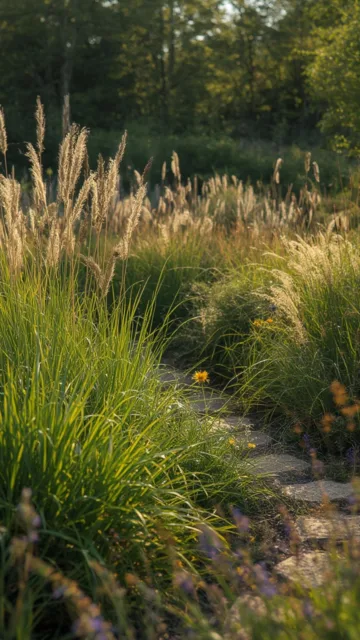
Welcome to the World of Wide‑Open Blooms: Designing Your Own Prairie Garden
Opening Section
If you’ve ever dreamed of a garden that looks effortlessly natural, needs less water, and supports local wildlife, a prairie garden might be the perfect answer. By embracing a prairie style garden, native prairie plants you can create a low‑maintenance landscape that feels both wild and beautiful. This approach is especially rewarding for beginners who want big impact without endless chores.
Understanding the Prairie Garden Concept
Prairie‑inspired landscapes mimic the open grasslands found across North America. They rely on deep‑rooted perennials, grasses, and wildflowers that thrive in well‑drained soils and full sun. The key is to select species that are adapted to your climate, which reduces the need for irrigation and fertilizers.
Why Choose a Prairie‑Inspired Design?
- Low water use – many native species are drought‑tolerant.
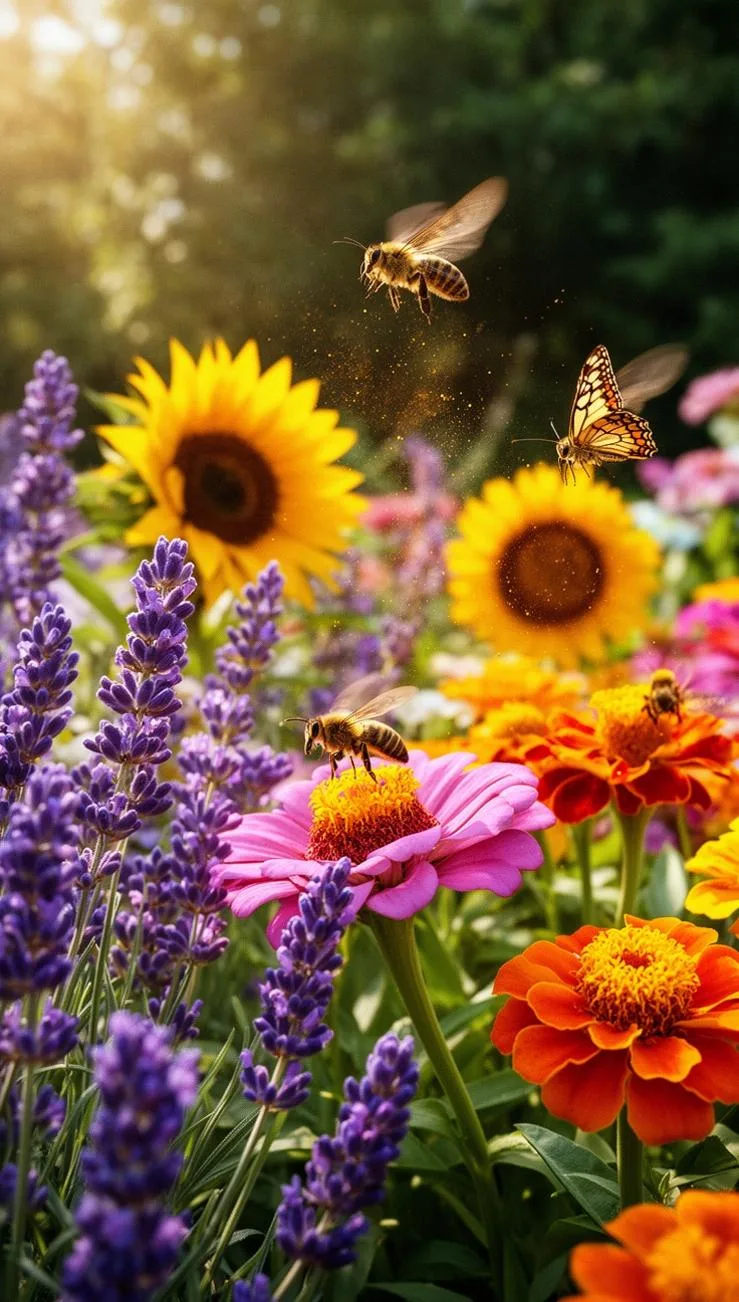
- Supports pollinators, birds, and beneficial insects.
- Requires less mowing and weeding compared to traditional lawns.
- Provides a beautiful, ever‑changing display of color throughout the seasons.
Planning Your Prairie Garden
Assess Your Site
Start with a simple site analysis:
- Sun exposure – most prairie plants need 6‑8 hours of direct sun.
- Soil type – sandy loam works best, but many species tolerate clay.
- Drainage – avoid areas that stay soggy for long periods.
Map Out the Layout
Sketch a rough plan on graph paper or use a free garden‑design app. Consider these zones:
- Front edge – taller grasses (e.g., big bluestem) for dramatic height.
- Mid‑layer – medium‑height wildflowers (e.g., coneflower, coreopsis).
- Groundcover – low‑growing perennials (e.g., prairie clover, blanketflower).
Choosing the Right Native Prairie Plants
Foundational Grasses
These provide structure and movement:
- Little Bluestem (Schizachyrium scoparium)
- Switchgrass (Panicum virgatum)
- Indian Grass (Sorghastrum nutans)
Show‑Stopping Wildflowers
Pick a mix of early, mid, and late season bloomers for continuous color:
- Black-eyed Susan (Rudbeckia hirta) – summer.
- Purple Coneflower (Echinacea purpurea) – midsummer.
- Gaillardia (Blanketflower) – late summer to fall.
Low‑Growing Groundcovers
These fill gaps and suppress weeds:
- Prairie Clover (Dalea spp.)
- Wild Bergamot (Monarda fistulosa)
- Blue-eyed Grass (Sisyrinchium spp.)
Step‑By‑Step Instructions
Follow these nine steps to bring your vision to life, making sure to keep the prairie garden spirit in mind. Using a prairie style garden, native prairie plants approach ensures a thriving, sustainable landscape.
- Prepare the Soil: Remove existing turf or weeds. Loosen the top 6‑8 inches with a garden fork or rototiller.
- Add Amendments: If soil is heavy, mix in coarse sand or compost to improve drainage.
- Mark Planting Zones: Use stakes and string to outline height zones based on your sketch.
- Lay Out Grasses First: Plant the tallest species along the back edge, spacing them 2‑3 feet apart.
- Insert Mid‑Height Flowers: Position wildflowers between the grasses, giving each plant enough room to spread.
- Fill In with Groundcovers: Sow low‑growers in the front and any remaining gaps.
- Water In: Give the area a thorough soak after planting; keep soil moist for the first 2‑3 weeks.
- Mulch Lightly: Apply a thin layer (½ inch) of shredded bark or pine needles to retain moisture and suppress weeds.
- Monitor and Adjust: Watch for any struggling plants and replace them in the fall when the soil is still warm.
Tips from Experienced Gardeners
- Group Plants by Height: This creates a natural “layered” effect and makes maintenance easier.
- Mix Native and Adapted Species: If a true native is hard to find, choose plants that thrive in similar conditions.
- Plan for Wildlife: Add a birdbath or small rock piles for extra habitat.
- Patience Pays Off: Prairie plantings often look sparse at first; they fill in over 2‑3 years.
Common Mistakes to Avoid
- Planting in shade – most prairie plants need full sun.
- Over‑watering – deep‑rooted species prefer dry periods.
- Using too much fertilizer – it encourages weeds and weakens native vigor.
- Planting too densely – proper spacing lets plants develop strong root systems.
Tools or Materials Needed
- Garden fork or rototiller
- Measuring tape and stakes
- Hand trowel or planting spade
- Compost or soil amendment
- Mulch (bark chips or pine needles)
- Watering can or hose with gentle spray nozzle
Seasonal or Climate Considerations
Spring: Ideal for planting most perennials. Soak seeds or transplants before the heat sets in.
Summer: Keep an eye on newly planted areas; they may need supplemental watering during drought.
Fall: Perfect for adding new seedlings and allowing roots to establish before winter.
Winter: Most prairie plants are dormant; a light mulch layer protects roots from freeze‑thaw cycles.
Benefits of This Gardening Method
- Water Conservation: Deep roots tap into lower soil moisture.
- Low Maintenance: Less mowing, weeding, and fertilizing.
- Biodiversity Boost: Supports pollinators, birds, and beneficial insects.
- Soil Health: Root systems improve soil structure and organic matter.
Alternative Methods
If a full prairie look feels too bold, consider a “prairie‑inspired border” that blends native grasses with ornamental perennials, or a “xeriscape” approach that emphasizes succulents and drought‑tolerant shrubs alongside a few prairie grasses.
Conclusion
Creating a prairie garden is a rewarding adventure that brings natural beauty, wildlife habitat, and water savings to your yard. By following a prairie style garden, native prairie plants strategy, even beginner gardeners can achieve a thriving, low‑maintenance landscape that evolves gracefully year after year.
Frequently Asked Questions
- How long does it take for a prairie garden to look full? Generally 2‑3 growing seasons, as plants spread and fill gaps.
- Do I need to mow my prairie garden? Minimal mowing is required—usually just an early‑spring trim to keep grasses tidy.
- Can I plant prairie species in clay soil? Many native grasses tolerate clay, but adding sand or organic matter improves drainage.
- What are the best native plants for a sunny site? Little Bluestem, Black-eyed Susan, Purple Coneflower, and Prairie Dropseed are excellent choices.
- Is irrigation necessary after establishment? Once plants are established (about 2‑3 months), they usually need water only during extended droughts.