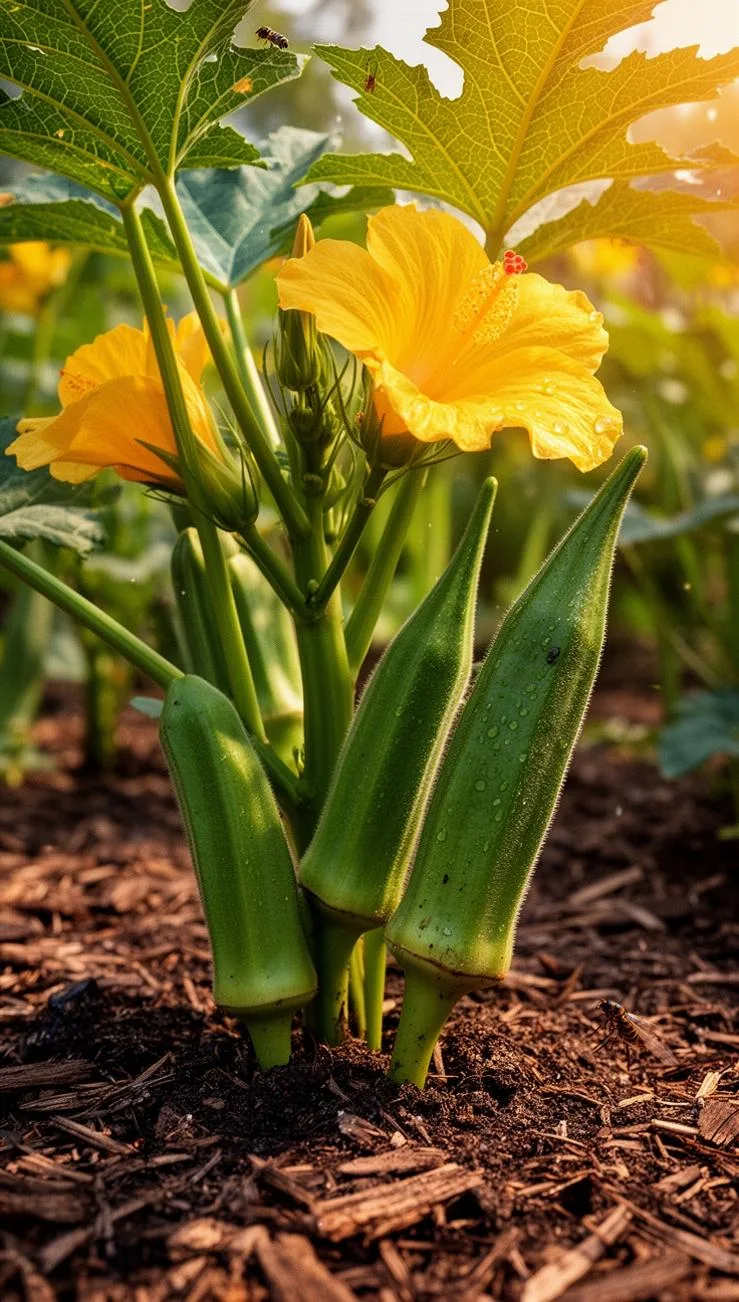
Unlock the Secrets to a Thriving Garden with Hugelkultur
Are you ready to transform your gardening game? Imagine a garden that nourishes itself, retains moisture like a sponge, and produces an abundance of fresh, delicious food year after year. Sound too good to be true? It’s not! Welcome to the wonderful world of hugelkultur garden, a sustainable and ingenious method that’s taking the gardening community by storm. Whether you’re a seasoned pro or just dipping your toes into the soil, this ancient technique, often incorporated into a hugelkultur raised bed or a simple permaculture mound, offers a pathway to a more bountiful and eco-friendly garden.
What Exactly is Hugelkultur?
Hugelkultur, a German word meaning “hill culture” or “mound culture,” is essentially a raised garden bed built from decomposing wood. But it’s so much more than just a pile of logs! At its core, it’s a method of building soil fertility and retaining moisture by layering organic materials, with larger woody debris at the base. As the wood breaks down over time, it releases nutrients, improves soil structure, and acts like a sponge, holding water and making it available to plants. This creates a microclimate that’s incredibly beneficial for growing a wide variety of vegetables, fruits, and herbs.
The Magic of Decomposition
The real magic of hugelkultur lies in the natural process of decomposition. The wood acts as a long-term slow-release fertilizer. As microorganisms and fungi work their way through the logs, they break them down into rich humus. This process also creates air pockets within the mound, which is crucial for healthy root development and preventing waterlogging. It’s like giving your plants a continually replenished, nutrient-rich feeding system.
A Permaculture Powerhouse
Hugelkultur is a cornerstone of permaculture design, a philosophy focused on creating sustainable and self-sufficient ecosystems. By mimicking natural processes, such as how a forest floor builds soil over time, hugelkultur minimizes the need for external inputs like fertilizers and frequent watering. It’s a way to work with nature, rather than against it, to create a garden that’s both productive and environmentally sound.
Why Embrace the Hugelkultur Garden Method?
There are compelling reasons why so many gardeners are turning to hugelkultur. It’s a fantastic way to reclaim unproductive or challenging garden spaces, reduce waste by using fallen branches and logs, and drastically improve water retention, especially in drier climates. The raised nature of these mounds also means warmer soil earlier in the season and less bending over for us gardeners!
Nourishing the Soil, Naturally
One of the biggest benefits is the incredible soil improvement. Instead of relying on bags of compost or chemical fertilizers, hugelkultur builds its own fertile soil from the ground up. The organic matter decomposes gradually, feeding your plants for years to come. Think of it as laying down a pantry of nutrients that your plants can access as they grow.
Water-Wise Gardening
For anyone living in an area prone to drought or simply looking to conserve water, hugelkultur is a dream come true. The porous woody core acts like a giant sponge. It soaks up rainwater and irrigation water, then slowly releases it back into the soil as needed. This means you’ll be watering far less often and your plants will be much more resilient during dry spells.
Reducing Garden Waste
Got a pile of old branches from pruning or a fallen tree in your yard? Instead of hauling them to the dump, hugelkultur provides the perfect way to recycle them. It’s a brilliant method for turning potential waste into a valuable garden asset, truly embodying the principles of sustainability.
Step-by-Step: Building Your Own Hugelkultur Garden
Ready to get your hands dirty? Building a hugelkultur garden is surprisingly straightforward. Here’s a guide to creating your own productive hugelkultur raised bed or a simple permaculture mound:
1. Site Selection and Preparation
Choose a sunny or partially shaded spot where you want to grow. Clear the area of any grass or weeds. You don’t need to till the soil underneath; the mound will break down any existing vegetation over time.
2. Gathering Your Materials
This is where you can get creative! The core of your mound will be larger, sound (not rotted or diseased) woody pieces. Think logs, thick branches, and even stumps. You can also incorporate smaller twigs, leaves, grass clippings, straw, compost, and soil.
- Best woods: Hardwoods like oak, maple, and fruit trees tend to break down slower and last longer. Softer woods like pine will decompose faster, releasing nutrients more quickly. Avoid using wood from trees that are diseased or have been treated with chemicals.
- Avoid: Black walnut (juglone is toxic to many plants), eucalyptus, and ornamental shrubs that might spread aggressively from root fragments.
3. Building the Base (The Wood Core)
Start by layering your largest logs and branches onto the chosen site. Pack them relatively tightly. If you’re building on a slope, orient your mound with the contours of the land to help with water retention.
4. Layering Organic Matter
Now, begin adding smaller organic materials on top of the wood. This is where you build the bulk of your mound and start incorporating nutrient-rich elements:
- Twigs and smaller branches: Fill in the gaps around the larger logs.
- Green materials: Grass clippings, vegetable scraps, coffee grounds, and manure add nitrogen.
- Brown materials: Dry leaves, straw, and shredded cardboard provide carbon and create air pockets.
- Compost/Soil: A layer of finished compost or good garden soil on top is essential for planting into immediately.
5. Shaping Your Mound
Shape the materials into your desired mound form. A typical hugelkultur bed is usually higher and narrower at the top, sloping down on the sides. Aim for a height of at least 2-3 feet, though you can go higher for larger structures. The width can vary depending on your space and needs.
6. Watering and Mulching
Water the entire mound thoroughly. This helps settle the materials and kickstarts the decomposition process. Once settled, cover the top with a thick layer of mulch (straw, wood chips, or compost). This will retain moisture, suppress weeds, and further feed the decomposing wood.
7. Planting Time!
You can plant into the top layer of soil immediately. As the mound settles and decomposes over the coming months and years, the soil structure will continue to improve, making it even more fertile.
Tips from Experienced Gardeners
- Start Small: If you’re new to hugelkultur, don’t feel you need to build a massive structure. A small mound is a great way to experiment and learn.
- Height Matters: Taller mounds generally retain more moisture and have a longer lifespan.
- Compost is Key: While the wood provides the structure and slow-release nutrients, incorporating finished compost into your layers will give your plants an immediate boost.
- Observe and Adapt: Every hugelkultur bed is unique. Pay attention to how yours settles, retains moisture, and supports plant growth, and adjust your future builds accordingly.
Common Mistakes to Avoid
- Using Diseased or Treated Wood: This is crucial for plant health and can contaminate your garden. Always use sound, untreated wood.
- Too Much Green Material: While green materials are beneficial for nitrogen, too much can lead to a dense, potentially anaerobic layer that can rot rather than decompose beneficially. Balance is key.
- Not Watering Enough Initially: The mound needs to be thoroughly watered when first built to start the decomposition process and encourage water retention.
- Planting Too Close to the Base: Give your mound time to settle. Smaller, annual plants are best for the top layer initially. Deeper-rooted perennials and trees can be planted as the mound matures and its structure stabilizes.
Tools or Materials Needed
The beauty of hugelkultur is its adaptability. You likely have many of the materials already!
- Essential:
* Fallen logs and branches (untreated)
* Shovel or pitchfork for moving materials
* Water source (hose or watering can)
- Helpful additions:
* Smaller twigs and branches
* Leaves, straw, grass clippings (depending on season)
* Compost or garden soil
* Mulch for the top layer
* Wheelbarrow for transporting materials
* Pruning saw or chainsaw for cutting logs (use with caution!)
Seasonal or Climate Considerations
Hugelkultur is incredibly versatile across various climates.
- Dry Climates: The water-retention capabilities are a massive advantage. Ensure you pack organic materials densely to maximize sponge-like properties.
- Wet Climates: The aeration provided by the woody core helps prevent roots from sitting in waterlogged soil. Building on a slight slope can also help with drainage.
- Cold Climates: The raised nature of the beds warms up earlier in spring. The decomposition process continues under the snow, providing a slow release of nutrients.
Benefits of This Gardening Method
- Exceptional Water Retention: Significantly reduces watering needs.
- Enhanced Soil Fertility: Nutrients are released slowly over years.
- Improved Soil Structure: Creates aeration and drainage.
- Waste Reduction: Utilizes fallen wood and organic debris.
- Warmer Soil: Heats up earlier in the season.
- Less Weeding: The raised shape can deter some weeds.
- Ergonomic Gardening: Reduced bending and kneeling.
- Supports Biodiversity: Creates habitat for beneficial insects and microorganisms.
Alternative Methods
While hugelkultur is unique, other gardening methods address similar goals:
- Raised Beds (Standard): Offer good drainage and soil control but require ongoing soil replenishment.
- Lasagna Gardening (Layered Beds): Similar layering principle but uses a wider variety of materials without the woody core.
- Keyhole Gardens: Designed for water conservation with a central compost chamber.
- No-Dig Gardening: Focuses on building soil health directly in situ without tilling.
Each method has its place, but hugelkultur stands out for its long-term fertility and water-holding capacity.
Conclusion
The hugelkultur garden offers a truly remarkable approach to gardening, transforming decomposing wood into a fertile, self-sustaining growing medium. Whether you’re building a compact hugelkultur raised bed for your patio or a sprawling permaculture mound in your backyard edible forest, this method promises bountiful harvests, reduced water usage, and a healthier ecosystem. By understanding the principles of decomposition and layering, you can create a garden that works in harmony with nature, providing food and beauty for years to come. Embrace the gentle slope and the rich decay – your garden will thank you for it!
Frequently Asked Questions
- How long does a hugelkultur mound last?
A well-built hugelkultur mound can last for 10-20 years, or even longer. The longevity depends on the size, the types of wood used, and the climate. The decomposition process is slow, meaning it continues to provide nutrients and water retention for a very long time.
- What kind of plants grow best on a hugelkultur bed?
You can grow almost anything! In the early years, focus on plants that thrive with ample moisture and nutrients, like squash, cucumbers, tomatoes, and leafy greens. As the mound matures and settles, it’s also excellent for root vegetables, perennial fruits (like berries and fruit trees along the sides), and herbs.
- Do I need to add soil on top every year?
Initially, yes, you’ll want a good layer of compost and soil to plant into. However, as the wood decomposes and the mound settles, it breaks down into nutrient-rich soil itself. You might need to top it up with a bit of compost or mulch every year or two, but much less than a traditional raised bed.
- Can I build hugelkultur on a slope?
Absolutely! In fact, building on a slope can be very advantageous. Orient your mound so the channels and contours follow the slope, which helps capture water and prevent erosion. The larger logs can act as natural check dams.
- What if my wood is already a bit rotten?
Slightly decomposed wood is actually fine and can even speed up the process! However, avoid wood that is completely mushy, falling apart, or showing signs of aggressive fungal diseases that could spread to your plants or garden. Sound, but aged, wood is perfect.